Treadmill Motor and Speed Ratings: HP and MPH
Treadmill HP explained: continuous vs peak horsepower, how much motor walking or running needs, and why the speed range tells you more than the HP.

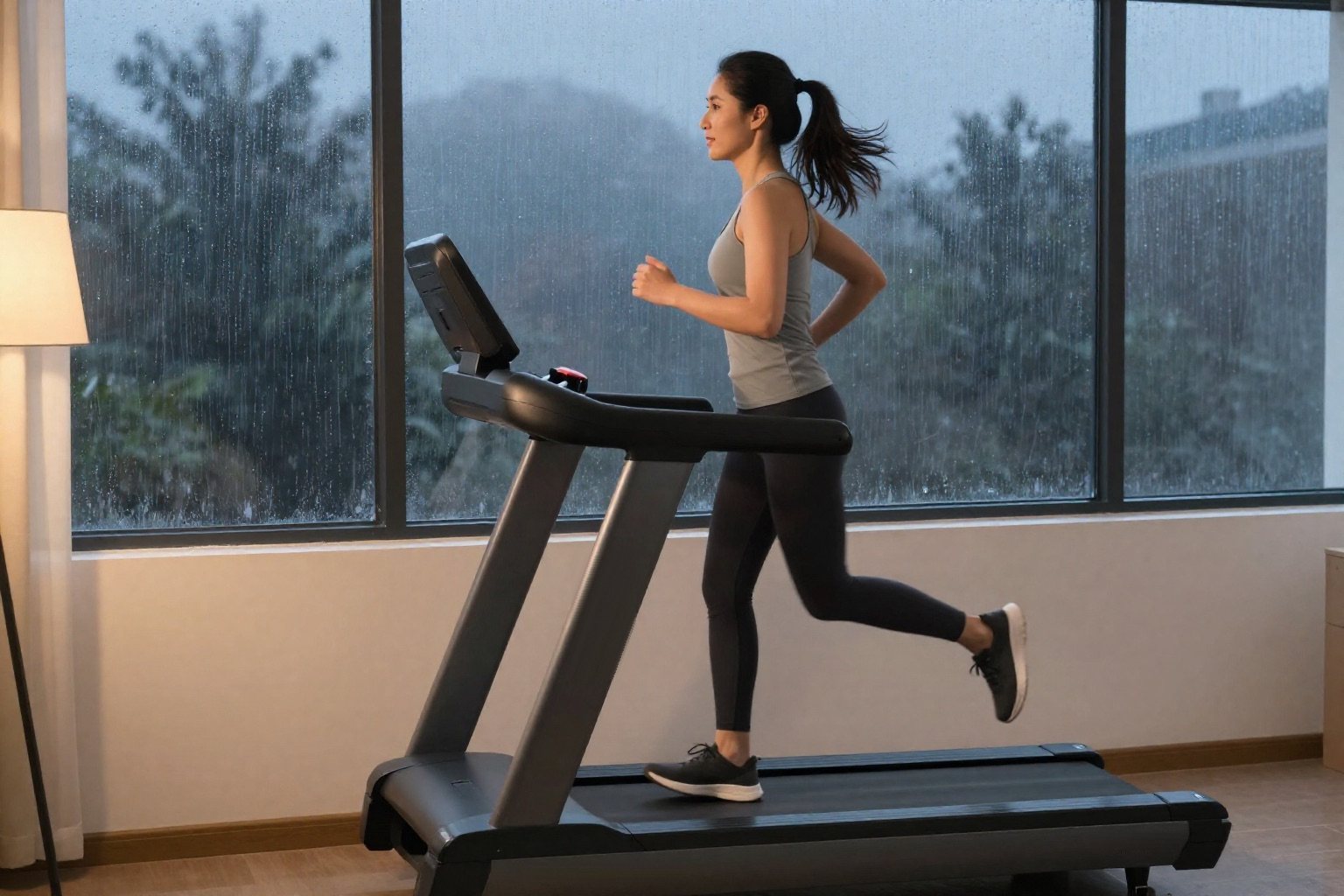
Treadmill HP is the motor rating in horsepower, where 1 HP is 746 watts, and the number only means something when you know whether it is continuous (CHP) or a peak figure. For walking, the stated speed range and the user weight tell you more than the motor; for running at 6 mph and up, look for a stated continuous rating and a top speed of at least 10 mph. Below is how to read both, with the figures from our rated models.
Affiliate disclosureAs an Amazon Associate we earn from qualifying purchases made through links on this page. Commissions never change our ratings.
Continuous, peak and unspecified horsepower
One horsepower is 746 watts, a definition the U.S. Bureau of Standards recorded back in 1911. What a treadmill listing rarely tells you is which horsepower it means. NordicTrack explains the difference well: continuous horsepower (CHP) is the power the motor can hold for a whole workout, peak horsepower is a short burst. A "3.5 HP" in a walking pad title can be the second kind, and the listing rarely says which, so a lower continuous figure can describe a stronger motor than a higher peak one.
So read the motor line in three steps: is it labelled CHP or continuous? Is it the same figure in the manual? If neither, treat it as a peak or marketing number and lean on the speed range instead.
Why the speed range is the number you will use
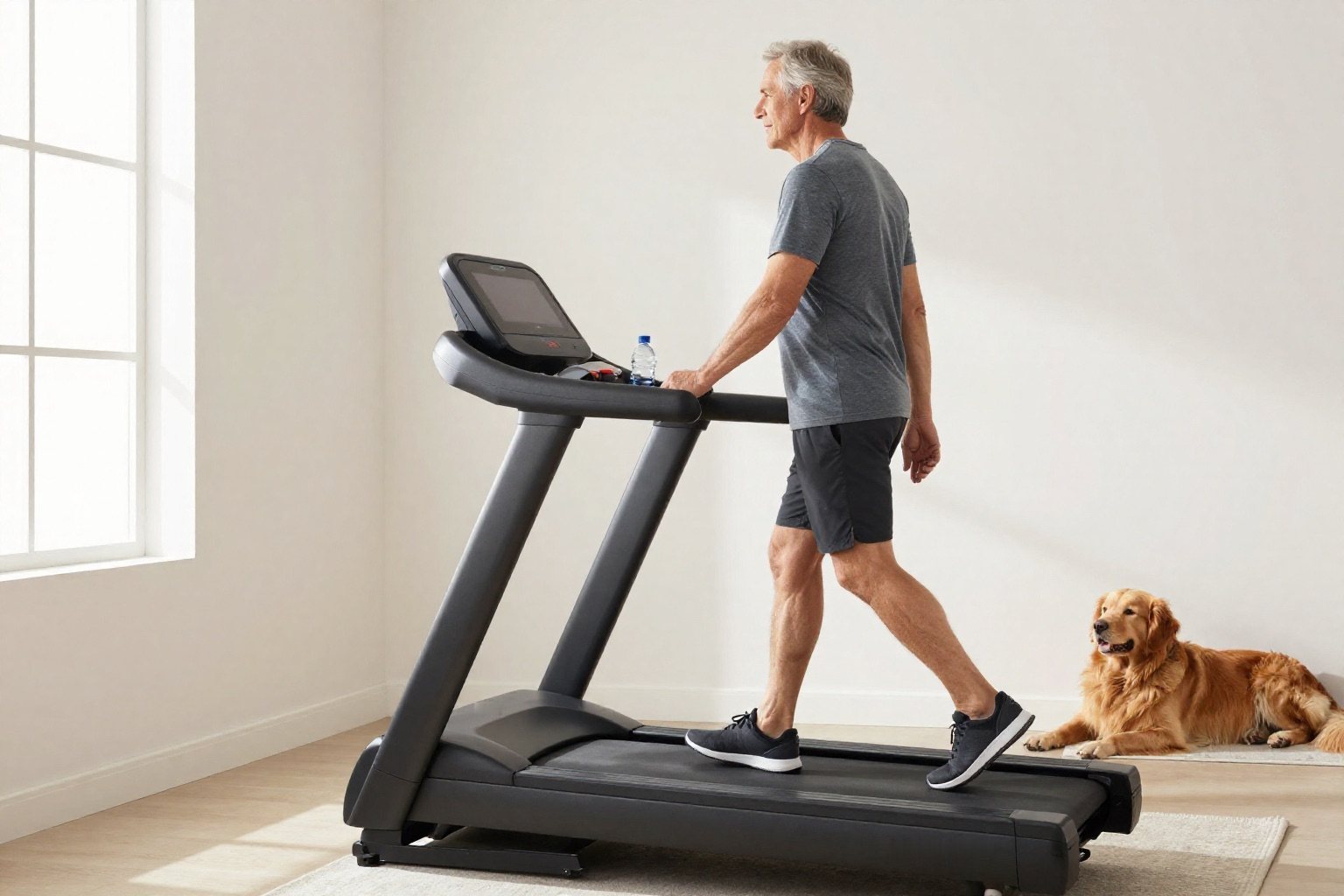
The motor exists to hold a speed under your weight. What matters is whether that speed range covers what you will do on it. The 2024 Adult Compendium of Physical Activities gives the scale: walking at 2.5 mph is 3.0 METs, brisk walking at 3.5 to 3.9 mph 4.8 METs, running at 6 mph 9.3 METs and 8 mph 12.0 METs.
| Model | Stated motor | Stated speed | Built for |
|---|---|---|---|
| Sunny Health & Fitness 12% Wi-Fi | 2 HP | 9 mph | walking and jogging |
| Sunny Health & Fitness Auto Incline Pad | 2.5 HP | 10 mph | walking, light running |
| Sunny Health & Fitness Flex Shock | 3 HP | 12 mph | running |
| MERACH 15/18% Auto Incline Treadmill | 3.5 HP | 0.5 to 8.7 mph | incline walking |
| SereneLife Smart Incline Walking Pad | 3.5 HP | 0.6 to 7.5 mph | walking, easy jogging |
Look at the last two rows: the same 3.5 HP figure on a machine that stops at 8.7 mph and a pad that stops at 7.5 mph. The horsepower did not predict the top speed. The speed range did.
How much motor walking and running need
NordicTrack’s own advice is to size the motor to how you train: walking, jogging or running, how heavy the user is and how often the machine runs. Higher continuous ratings suit running and long, steady sessions. That gives a simple shortlist rule:
- Walking only, one light user: any stated motor is fine if the speed range reaches 4 mph and the weight limit has headroom.
- Jogging, or a heavier user: look for a stated continuous rating and a top speed of 9 to 10 mph.
- Regular running at 6 mph and up, several users: 12 mph top speed and a CHP figure printed in the manual, plus the electrical supply the manual asks for.
For an older walker the bottom of the range matters more than the top. Our guide to treadmills for seniors shows which listings state a 0.5 mph start and which begin at 1 mph.
The motor also sets the power supply
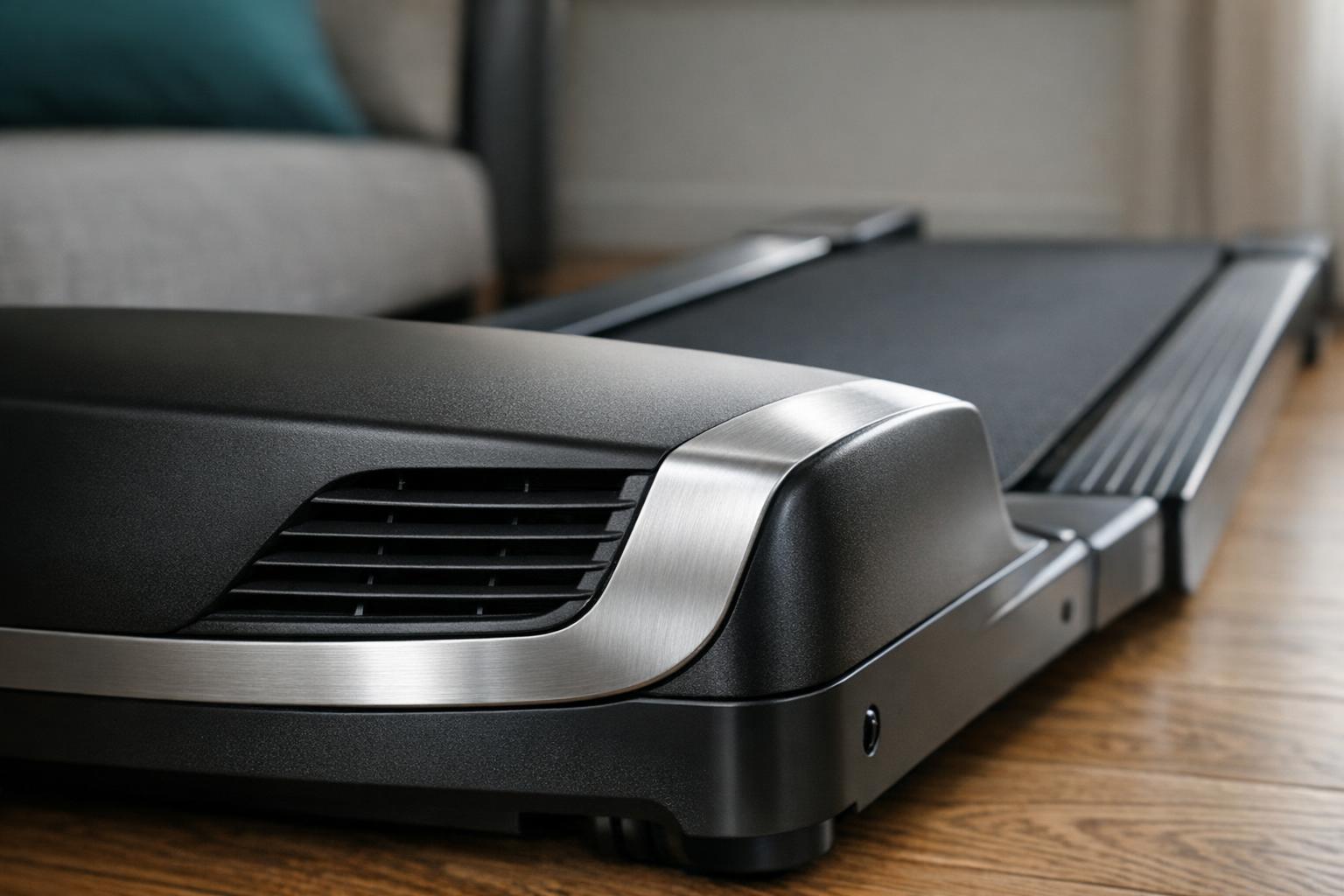
A running motor pulls real current. The Schwinn 810 manual asks for a dedicated circuit able to carry 15 amps at 110 V (10 A at 220 to 240 V), with nothing else on it and a grounded outlet. The NordicTrack manual we read asks for a 120 V circuit of 15 amps or more and a surge suppressor, with only low-power devices such as a phone charger on the same circuit. If your treadmill trips a breaker, that is a question for a licensed electrician, not for an adapter.
Brushless, quiet and other motor claims
"Brushless", "quiet" and "low noise" are seller descriptions, and the listing gives no decibel figure to compare. Schwinn is one maker that prints one: under 70 dB on average without load, louder under load. When a listing has no number, judge noise by the deck, the speed you will use and what is under the frame. Then compare belt size and weight capacity, which usually rise together with the motor. Our buying checklist puts all of it in order.
Our rated picks
The three best-rated models of our best home treadmills ranking, from the buyer review record and the listed specs.

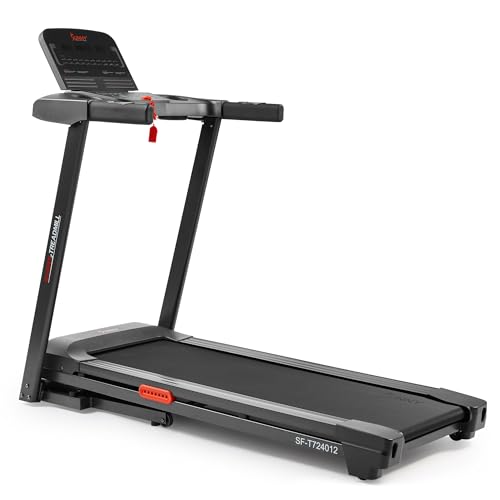

Product images: Amazon listings
Frequently asked questions
What HP treadmill do I need?
For walking, the speed range and weight limit matter more than the motor. For regular running, look for a continuous (CHP) rating printed in the manual and a 12 mph top speed.
What is the difference between CHP and HP on a treadmill?
CHP is continuous horsepower, the power the motor holds for a whole workout. HP without the C is often a peak figure, reached only briefly, so it reads higher.
Is a 2.5 HP treadmill good for running?
It depends on whether 2.5 is continuous and on the stated top speed. A 2.5 CHP motor with a 10 mph range suits light running; a 2.5 peak figure on a walking pad does not.
How many watts is 1 HP?
One horsepower is 746 watts, so a 3 HP rating describes about 2,240 W of motor output, not the power the treadmill draws from the wall at walking speed.
Sources
- U.S. Bureau of Standards (NIST archive) — Circular 34: The Relation of the Horsepower to the Kilowatt (consulted Nov 2026)
- NordicTrack — What Is CHP in a Treadmill Motor? (consulted Nov 2026)
- 2024 Adult Compendium of Physical Activities — Walking (MET values) (consulted Nov 2026)
- 2024 Adult Compendium of Physical Activities — Running (MET values) (consulted Nov 2026)
- Schwinn (Nautilus, Inc.) — 810 / 510T treadmill: Assembly Manual / Owner’s Manual (consulted Nov 2026)
- NordicTrack (ICON Health & Fitness) — User’s Manual, treadmill model NTL16129.4 (consulted Nov 2026)
Products mentioned
- MERACH Treadmill with 15/18% Auto Incline, 55"/47"x18"/19" Wide Belt Treadmills, 0.5-8.7MPH/10MPH 3.5HP Brushless Incline Treadmill for Home, 350LBS Foldable Treadmills with Screen & APP & Heart Rate (exact listing)
- Heavy Duty Treadmill for Home, 20-Level Auto Incline, 20" Wide Deck (exact listing)
- Sunny Health & Fitness Foldable 12% Auto Incline Wi-Fi Treadmill (exact listing)
- Niceday TM3 Commercial Series Treadmills for Home Gym Use (exact listing)