
Darnell Haynes, Buying-guide writer
I write the guides on the numbers that sound impressive in a listing: horsepower, top speed, belt size and incline. My job is to work out which of them matter for the way you'll use the machine, and which ones are there to fill out the product title.
Horsepower is the classic case. A 3.5 HP sticker tells you very little until you know whether it is a continuous rating or a peak figure, and plenty of listings never say. Belt size is the one I care about most. A belt around 16 inches wide and 40 long is fine for an easy walk; for running you want more length, and I'd rather point that out before you've carried the box up two flights of stairs.
Most of my week goes on spec sheets, manuals and owner reviews read side by side. When owners keep writing that a machine feels short at speed, or that the incline steps are coarse, I go back to the published figures to see whether they explain it.
I read what the manufacturer commits to on paper and what owners report afterwards, and I keep the two apart, so you can see where they agree and where they don't.
Areas of expertise
- Motor ratings: continuous vs peak horsepower
- Top speed and speed steps
- Belt width and length for your stride
- Incline: what a stated percentage means
How I work
- I check whether horsepower is stated as continuous or peak, and say so when the listing doesn't tell.
- I compare belt width and length with the use the guide is about: walking, jogging or running.
- I take incline and speed ranges from the manual, including the step between settings.
- Seller claims and owner reports go in separate sentences, so you can see which is which.
Articles by Darnell Haynes
Written
 Buying and ownership
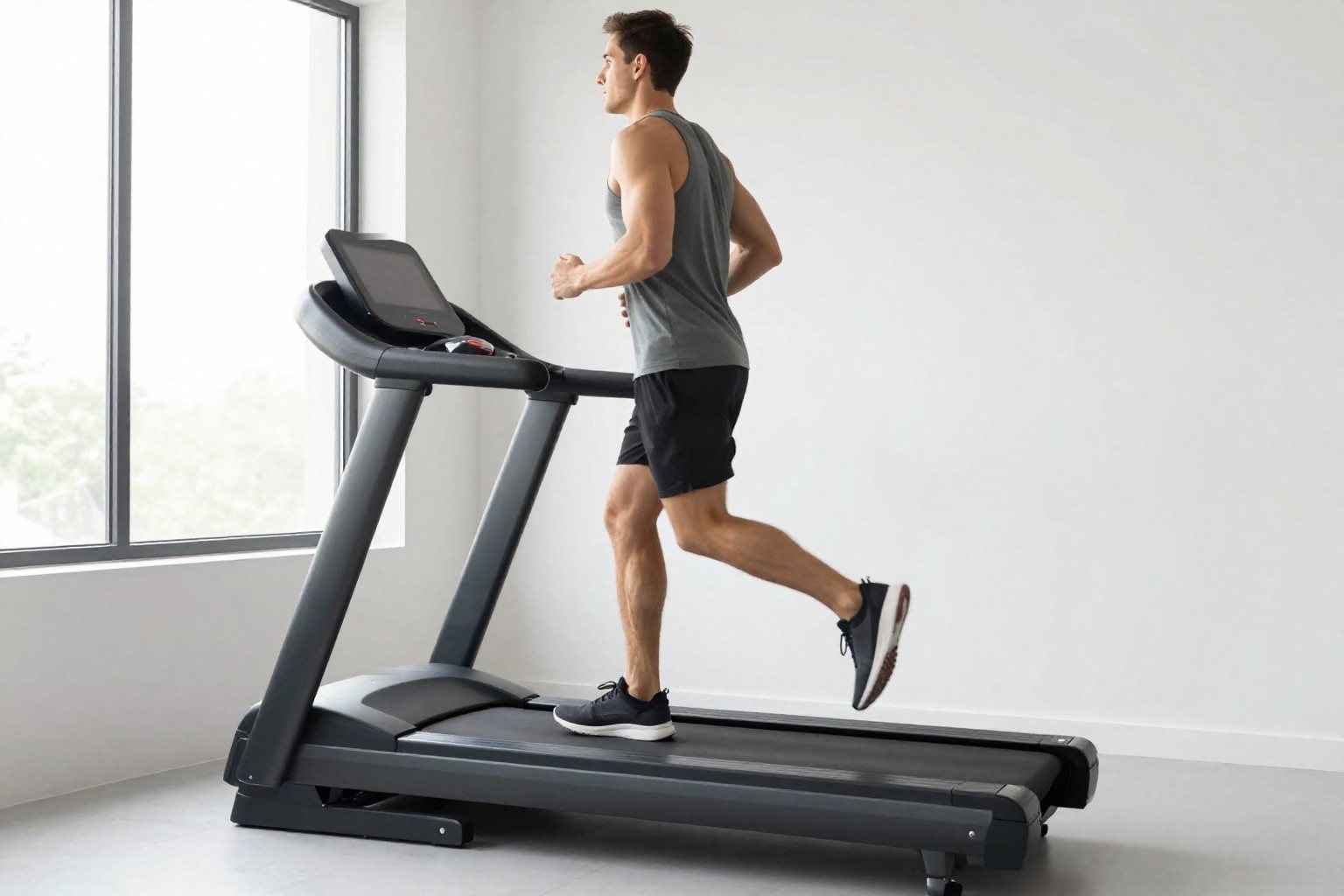
Treadmill Belt Size: How Wide and Long It Should Be
Treadmill belt size for walking, jogging and running: the widths and lengths to look for, how to read them in a listing and which rated models state them.
Read the guide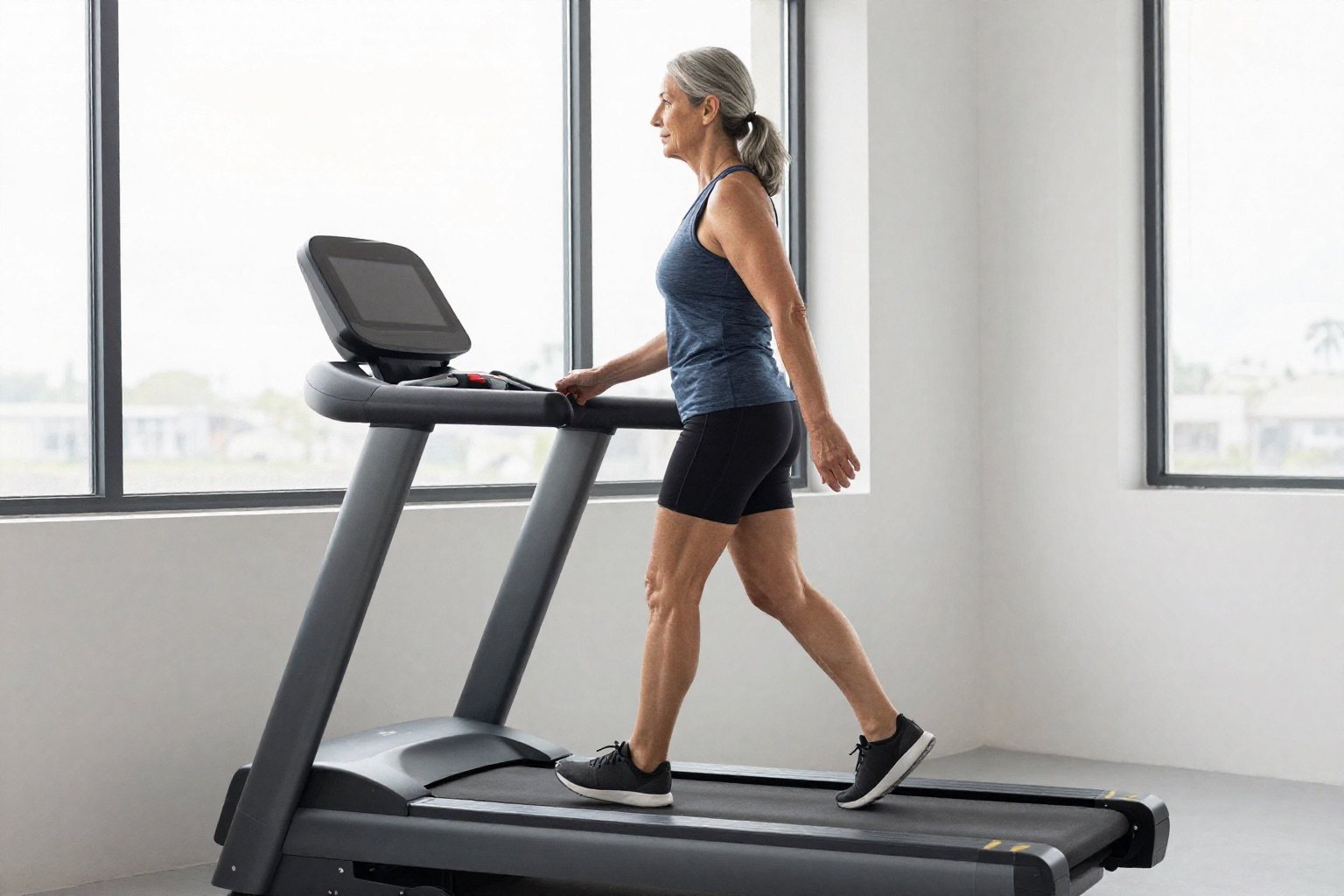 Buying and ownership
Treadmill Incline Explained: Percent, Degrees and Levels
What treadmill incline means: percent grade vs degrees, what 12 % or 15 % feels like, manual levels vs auto incline, and the ceiling to check first.
Read the guide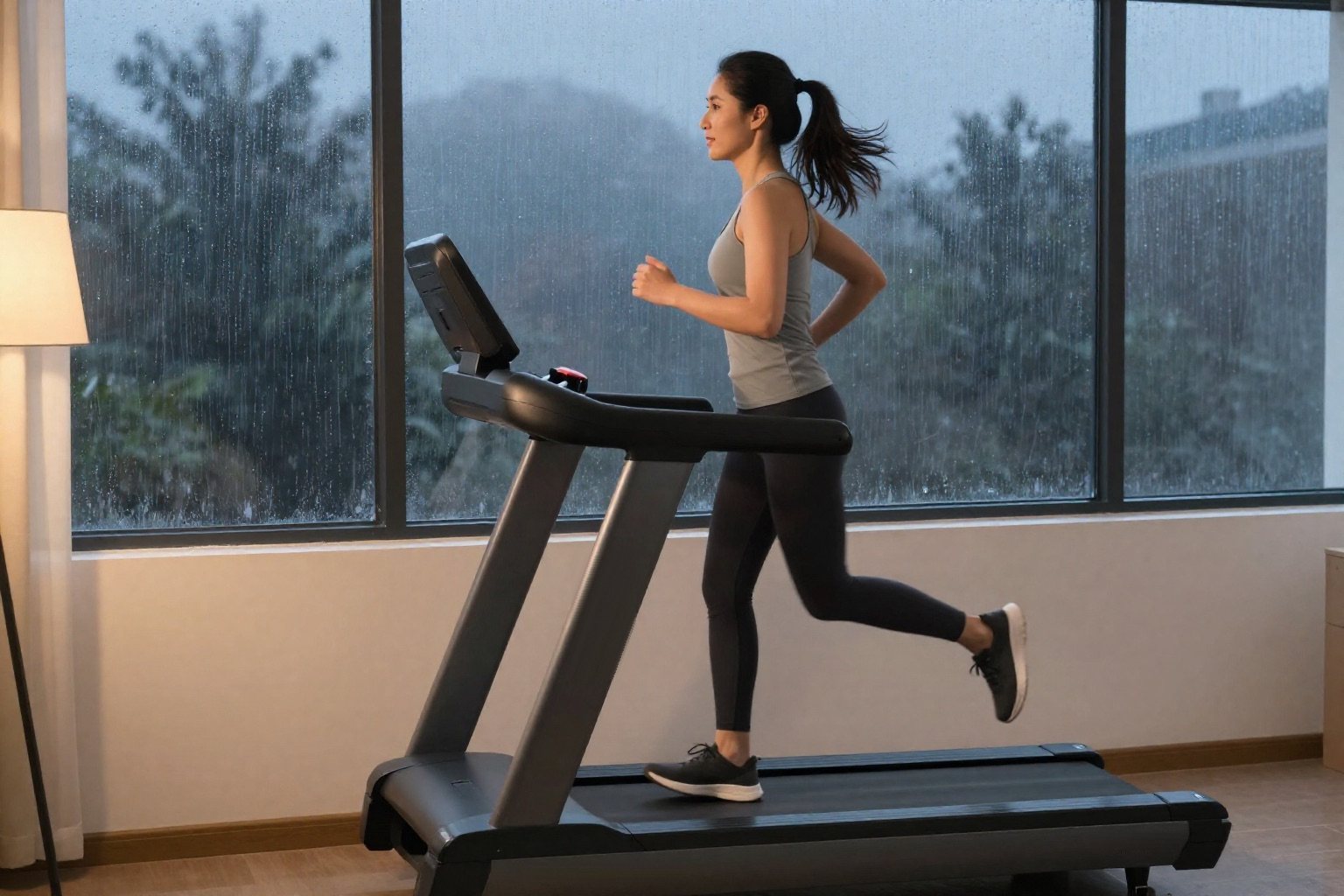 Buying and ownership
Treadmill Motor and Speed Ratings: HP and MPH
Treadmill HP explained: continuous vs peak horsepower, how much motor walking or running needs, and why the speed range tells you more than the HP.
Read the guide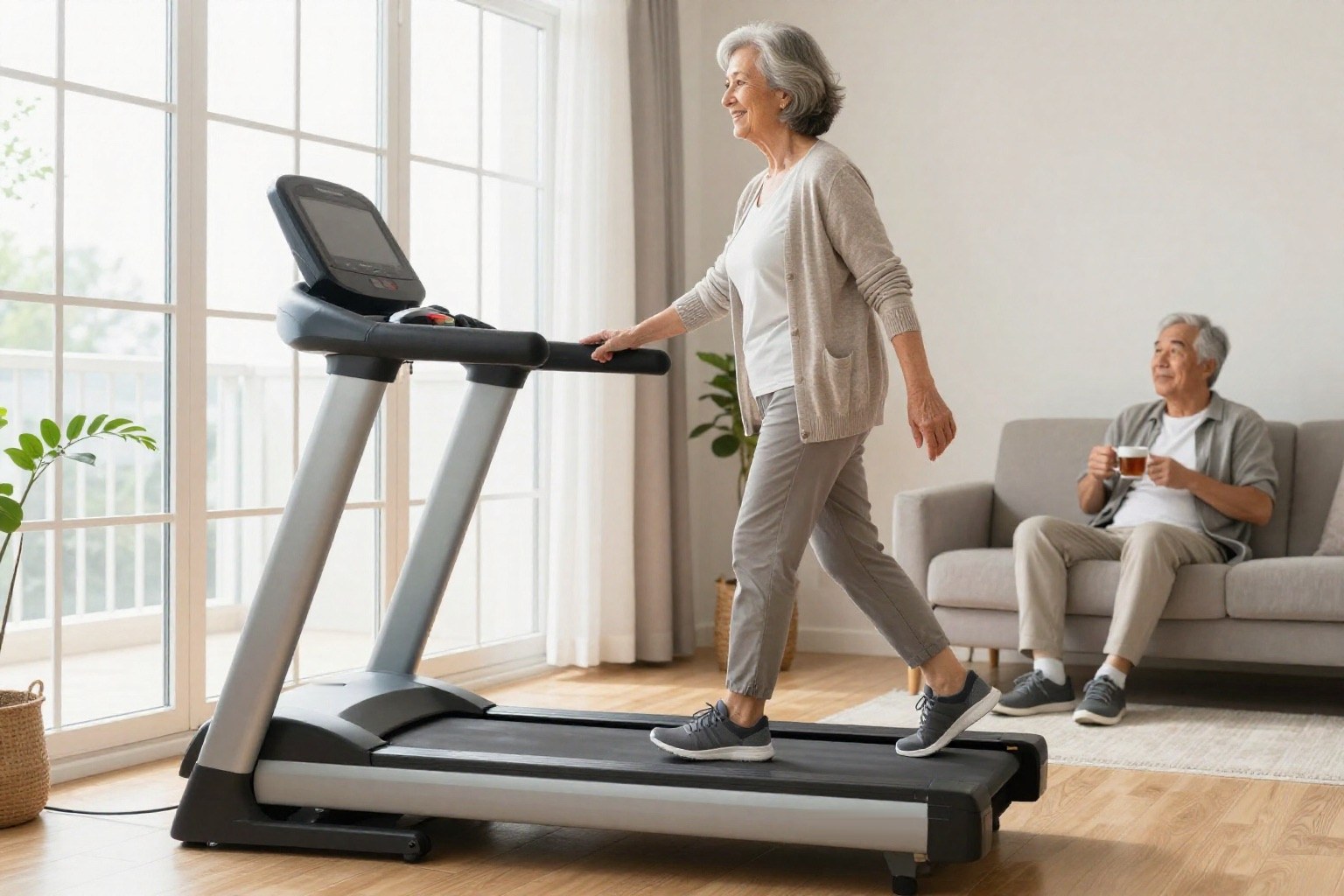 Buying and ownership
Treadmills for Seniors: Handrails, Start Speed and Safety
Long handrails, a slow start speed, a low step-up and a safety key matter more than top speed on treadmills for seniors. Here is how to spot them.
Read the guideEdited
 Buying and ownership
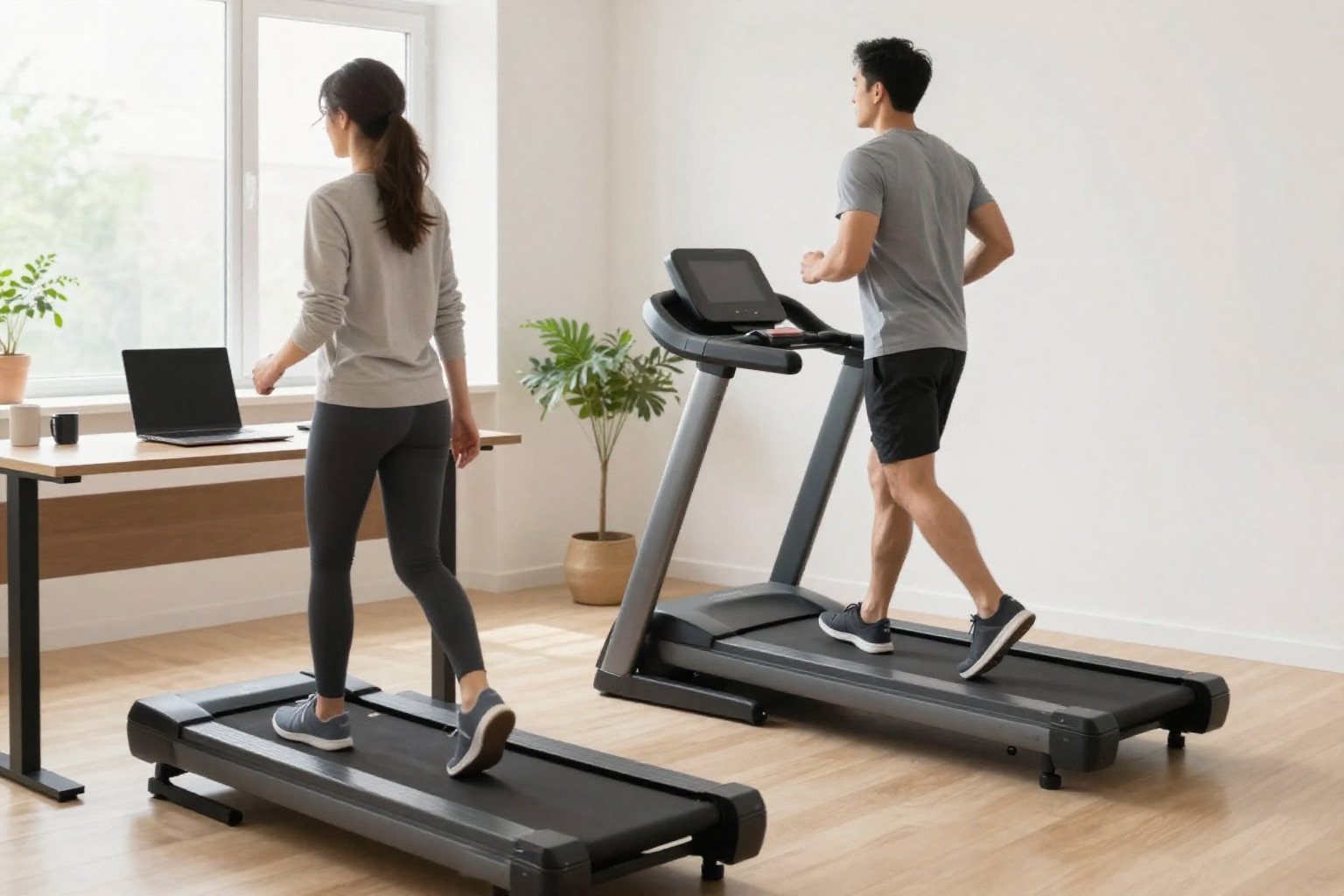
Walking Pad vs Treadmill: The Real Differences
Walking pad vs treadmill: speed, belt size, handrails, height, weight limit and floor space compared, with the rated models that fit each case.
Read the guide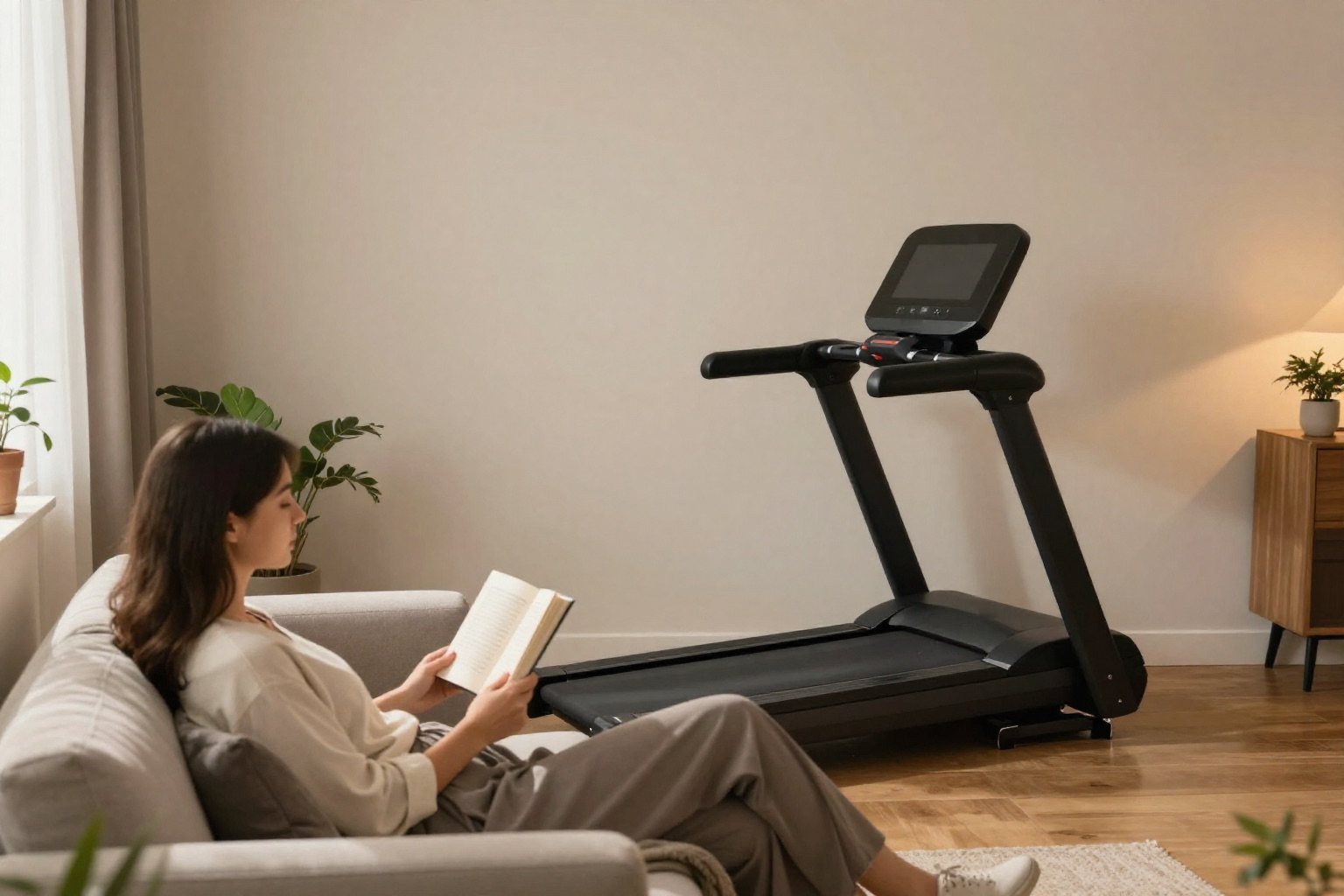 Buying and ownership
Folding Treadmills: A Storage Checklist
Folding treadmill checklist: folded size, soft-drop or hydraulic decks, wheels, the weight you lift and the floor you still need while it runs.
Read the guideHow we compare and rate the machines is explained on How we rate. The rest of the team: Our editors.