Treadmill Belt Size: How Wide and Long It Should Be
Treadmill belt size for walking, jogging and running: the widths and lengths to look for, how to read them in a listing and which rated models state them.
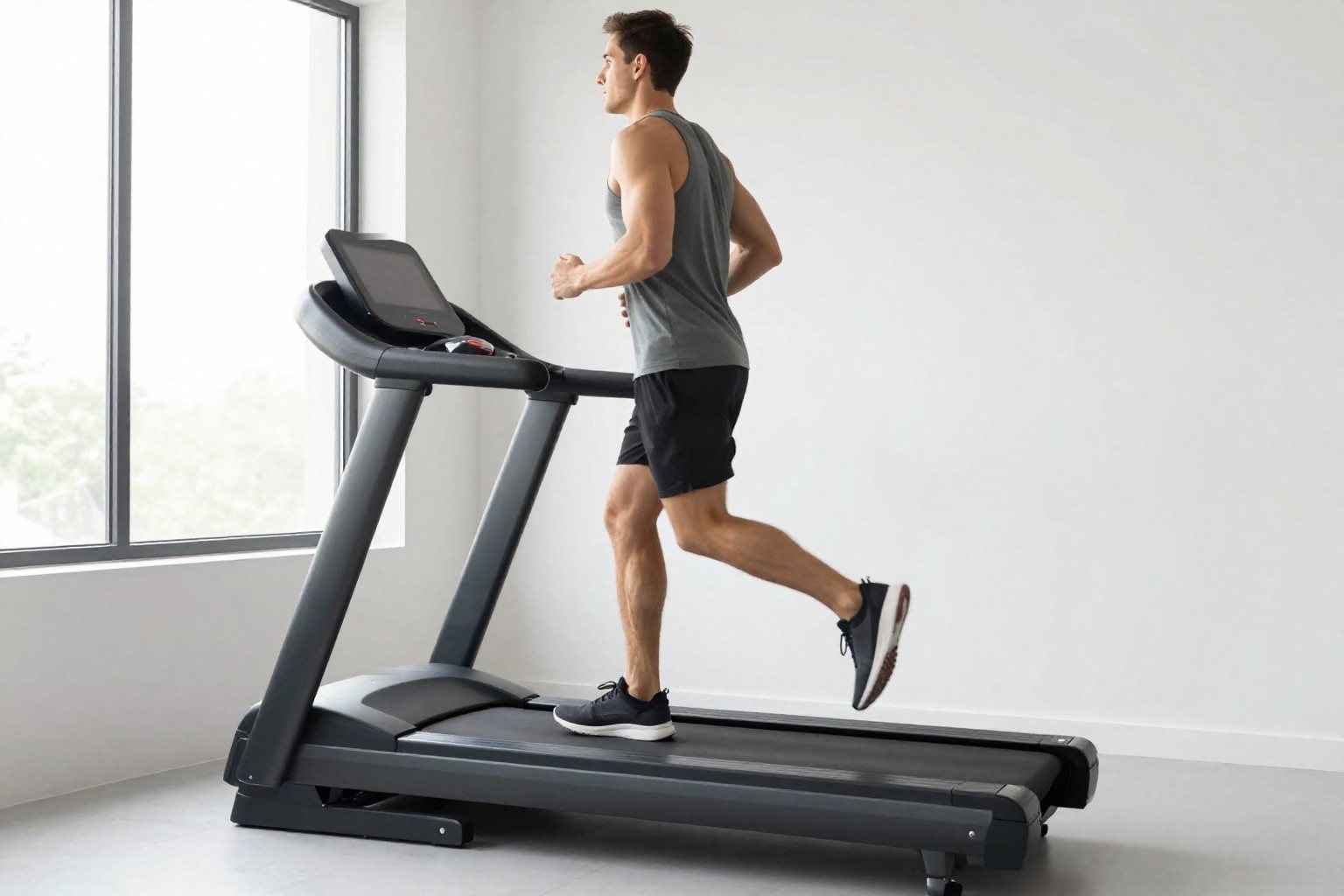
A treadmill belt for walking should be at least 18 inches wide and 48 inches long; for jogging and running, 20 x 55 inches or more, and a tall runner over 6 feet is happiest on 22 x 60. Most home treadmills land between 16 x 50 and 20 x 60, walking pads well below that. The width keeps you centred, the length lets your stride land on the belt, and a listing that gives no belt size needs the manual before you order.
Affiliate disclosureAs an Amazon Associate we earn from qualifying purchases made through links on this page. Commissions never change our ratings.
The sizes to look for
| Use | Belt size, width x length | In our catalog |
|---|---|---|
| Walking | 18 x 48 in or larger | Sunny Health & Fitness 12% Wi-Fi: 16 x 50 in |
| Jogging and running | 20 x 55 in or larger | Sunny Health & Fitness Auto Incline Pad: 20 x 53 in |
| Running, tall users | 22 x 60 in | 3G Cardio Pro Runner X: 20.5 x 58 in |
| Long stride, fast running | beyond 60 in | GYMOST 15% Incline, 64" x 24" Belt: 24 x 64 in |
SOLE adds a useful note: over 6 ft tall, go for a 22-inch width. Read these as minimums for comfort, not laws. A 16-inch-wide belt sits below that walking line: it does for a slow, steady walk and starts to feel narrow when you look at a TV, swing your arms or drift a little at speed.
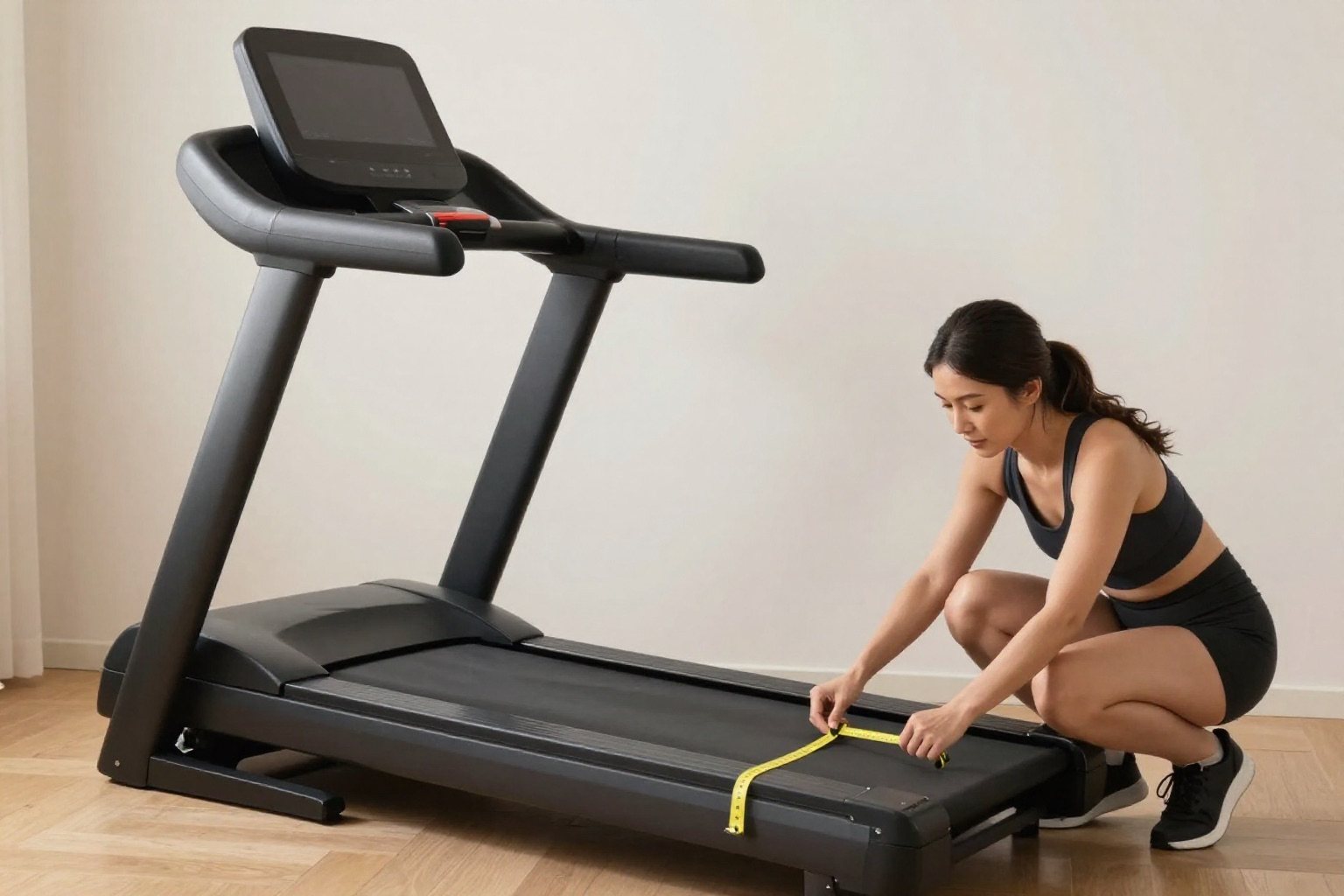
Width for walking, length for running
Width is about lateral room: your arm swing, a slightly off-centre step, the moment you reach for a water bottle. Length is about stride. A runner’s foot lands further forward and pushes off further back than a walker’s, so a short belt makes you shorten your stride or clip the motor hood. That is why the jump from walking to running is mostly a jump in length: 48 to 55 inches and up.
Match the belt to the tallest regular runner and their top speed, not to the average user. If two of you share the machine and one runs, the runner sets the size. Our motor and speed guide covers the matching speed range.
Reading belt size in a listing
- The order varies. One seller writes 64 x 24 in, another 20 x 60 in. The smaller figure is the width.
- Frame size is not belt size. A line such as "55 x 32 in" in the same bullet usually describes the whole machine. That figure belongs in your space planning, not here.
- Adjectives are not numbers. "Extra-wide deck" next to an 18-inch figure is still 18 inches.
- Step-up height is a separate line. The 3G Cardio Pro Runner X lists a low 6.5 in step-up; most listings say nothing.
Plenty of well-rated machines, including big brands, print speed and incline but no belt size in the title or bullets. Treat that as a question for the manual or the maker’s spec sheet, not as a guess in either direction.
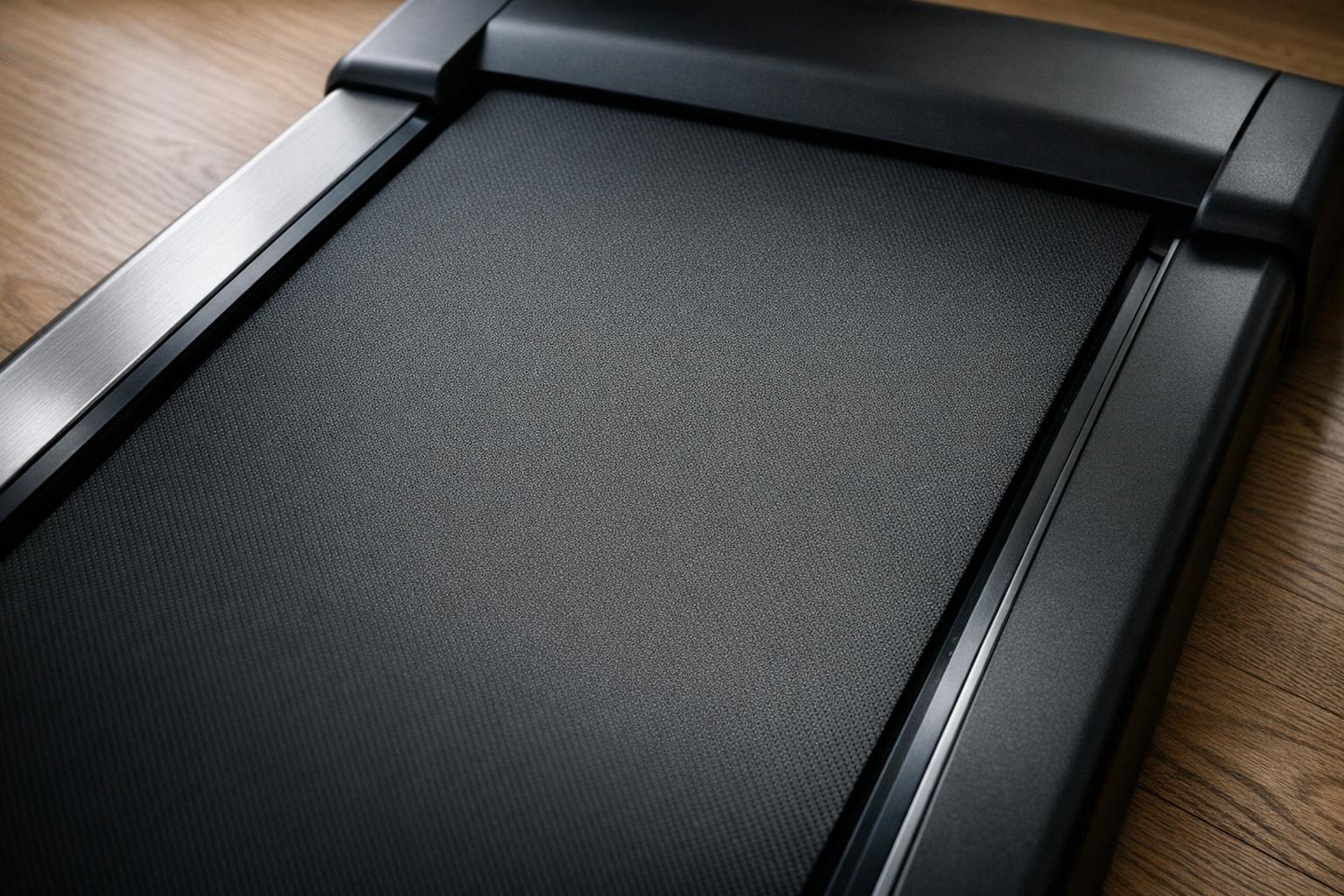
How wide is a treadmill overall?
The belt is only part of the width. Side rails, the frame and the foot rails add to it. A NordicTrack manual we read gives a 3 ft (90 cm) wide machine for a 6 ft 7 in length, and asks for 2 ft of free floor on each side while it runs. Under-desk pads are much slimmer: the Yagud Walking Pad with Remote lists a 19.6 in wide body. When you measure a room, use the overall width plus the clearance, never the belt width.
Which rated treadmills have the belt for you
- Walkers who want a compact frame: Sunny Health & Fitness 12% Wi-Fi (9.4/10), 16 x 50 in, 300 lb, 12 % auto incline, per its listing.
- Runners who want width: Sunny Health & Fitness Flex Shock (9/10) lists a 20-inch-wide deck and 12 mph; the MERACH 15/18% Auto Incline Treadmill lists a 19-inch width with 18 % incline for walkers.
- A pad with a real walking belt: Sunny Health & Fitness Auto Incline Pad (9.5/10), 20 x 53 in, rare among walking pads.
Belt size is a fit criterion, not a quality score: our ratings do not reward a longer belt. Use it to filter, then compare. Our buying checklist puts it in order with the other specs.
Our rated picks
The three best-rated models of our best home treadmills ranking, from the buyer review record and the listed specs.

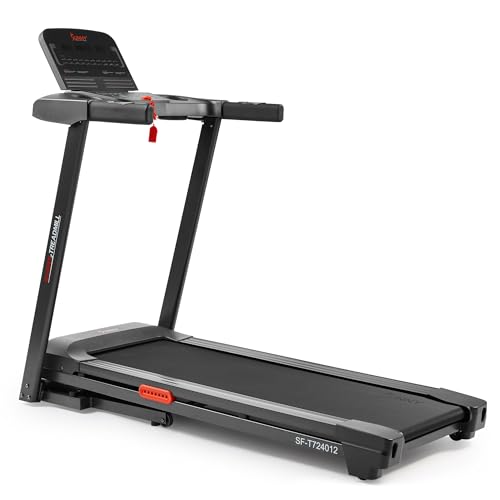

Product images: Amazon listings
Frequently asked questions
What size treadmill belt do I need for running?
At least 20 x 55 inches, and 22 x 60 inches if you are over 6 ft tall or run fast. For walking, 18 x 48 inches or larger is enough.
How wide is a treadmill?
The belt is usually 16 to 22 inches wide; the whole machine is wider, about 3 ft (90 cm) for a full treadmill, and the manual asks for clear floor on each side too.
What are standard treadmill walking belt sizes?
The treadmills we rate list from 16 x 50 to 20 x 60 inches, a few up to 24 x 64. Walking pads are smaller (the SereneLife pad lists 39.37 x 15.75 in), and many do not state it.
How do I know which treadmill belt fits my machine?
For a replacement belt, use the part number or belt size printed in the manual of your exact model; a belt from a similar-looking machine may not fit.
Sources
- SOLE Fitness — Treadmill Running Belt Size Guide (consulted Nov 2026)
- NordicTrack (ICON Health & Fitness) — User’s Manual, treadmill model NTL16129.4 (consulted Nov 2026)
- 2024 Adult Compendium of Physical Activities — Running (MET values) (consulted Nov 2026)
Products mentioned
- Sunny Health & Fitness Foldable 12% Auto Incline Wi-Fi Treadmill (exact listing)
- 3G Cardio Pro Runner X Treadmill - Heavy Duty Home Construction - FreeSync FTMS Bluetooth Connectivity - Low 6.5" Step-up Height - Foldable Compact Storage - Orthopedic Belt - 350 lb Capacity (exact listing)
- Niceday TM3 Commercial Series Treadmills for Home Gym Use (exact listing)
- GYMOST Treadmill for Home with 15% Auto Incline 64"x 24" Running Belt (exact listing)